

Indonesia Membuka Kembali Ekspor Mineralnya. Namun Aturan yang Menutupnya Masih Belum Ditulis
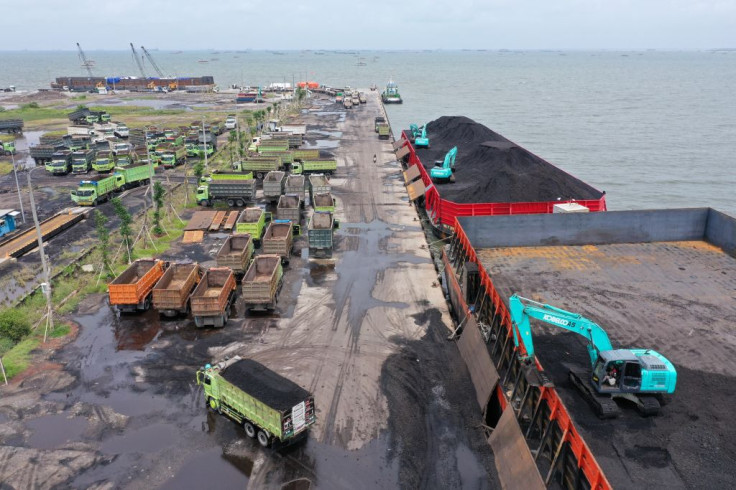
Jakarta — Indonesia telah membereskan tumpukan pengiriman mineral yang tertahan di pelabuhannya akibat persyaratan pengujian unsur tanah jarang, membebaskan sekitar 400.000 ton muatan senilai sekitar US$124 juta. Yang belum dilakukan adalah menerbitkan ambang batas yang akan mencegah hal yang sama terulang kembali.
Solusi yang diumumkan pada awal Agustus secara eksplisit digambarkan oleh pemerintah sebagai panduan transisi. Hampir dua minggu berselang, regulasi yang seharusnya menjadi jembatan menuju solusi permanen itu belum juga muncul — membuat para eksportir turunan nikel, bauksit, alumina, dan katoda tembaga beroperasi berdasarkan sebuah interpretasi, bukan aturan resmi.
Bagaimana Pelabuhan Terhenti
Gangguan ini bermula dari kegagalan urutan kebijakan: persyaratan pengujian muncul lebih dulu sebelum standar yang seharusnya menjadi acuan pengujian tersebut ada.
Berdasarkan Peraturan Menteri Perdagangan (Permendag) No. 6 Tahun 2026, yang mengubah Permendag No. 22 Tahun 2023 tentang barang yang dilarang untuk diekspor, Indonesia melarang ekspor unsur tanah jarang dan senyawanya dengan tingkat kemurnian di bawah 99%. Larangan ini menyasar tanah jarang yang dijual sebagai komoditas utama. Namun tanah jarang secara alami muncul sebagai unsur jejak dalam bijih lain, dan regulasi tersebut tidak menetapkan konsentrasi yang diizinkan untuk kondisi ketika tanah jarang muncul sebagai produk sampingan yang tidak disengaja.
Celah tersebut membawa konsekuensi mekanis. Sebagaimana dilaporkan oleh Indonesia Business Post, aturan ekspor alumina Indonesia mengklasifikasikan pengiriman berdasarkan kemurnian aluminium oksida — alumina kelas smelter di bawah 98% Al₂O₃ dan kelas kimia di bawah 90% dilarang berdasarkan regulasi yang berlaku — tanpa ada pemicu terkait tanah jarang yang didefinisikan di mana pun dalam kerangka tersebut. Surveyor yang mendeteksi kandungan tanah jarang karenanya tidak memiliki dasar untuk menyertifikasi atau menolak sebuah muatan, dan tidak ada standar pengujian atau klasifikasi tarif yang diterbitkan untuk dijadikan acuan.
Hasilnya adalah kebekuan administrasi, bukan kebekuan kebijakan. Lebih dari 100 kapal tidak dapat bergerak. Perusahaan inspeksi milik negara PT Sucofindo mengumpulkan antrean laporan surveyor yang tidak dapat diterbitkannya.
Pembukaan Kembali, dan Landasannya
Penyelesaian ini datang dari Kantor Staf Presiden, bukan dari Kementerian Perdagangan — sebuah sinyal tersendiri tentang seberapa jauh masalah ini telah meningkat melampaui administrasi rutin.
Kepala Staf Kepresidenan Dudung Abdurachman mengatakan bahwa ekspor telah kembali berjalan seiring dengan revisi peraturan menteri yang sedang berlangsung, dan bahwa KSP tengah memimpin pembahasan lintas lembaga untuk menetapkan kandungan maksimum tanah jarang yang diizinkan dalam komoditas ekspor, menurut ANTARA. Rapat koordinasi pada 31 Juli memberikan wewenang kepada Sucofindo untuk merilis 85 laporan surveyor yang sebelumnya tertunda. Dudung mengatakan sebagian besar laporan tersebut milik eksportir alumina, tembaga, katoda, dan turunan nikel.
Dasar hukumnya bersifat sempit: larangan tersebut berlaku bagi tanah jarang yang diekstraksi dan dijual sebagai produk utama, bukan bagi kandungan tanah jarang yang muncul secara tidak sengaja pada mineral lain. Pengiriman pertama yang dibebaskan — alumina hidroksida dan alumina oksida dari Kalimantan Barat — berangkat dari Pelabuhan Dwikora di Pontianak pada 7 Agustus.
Dudung juga mengatakan bahwa pemerintah akan meminta pendapat hukum dari Kejaksaan Agung untuk memperkuat kepastian selama revisi tersebut disusun, dan bahwa ia telah berkoordinasi dengan Direktorat Jenderal Bea dan Cukai mengenai muatan yang tertahan.
Bagian yang Belum Selesai
Empat hal yang oleh pemerintah sendiri diidentifikasi sebagai kebutuhan masih belum terwujud.
Revisi ini dimaksudkan untuk mendefinisikan mineral terkait atau produk sampingan, menetapkan ambang batas konsentrasi untuk masing-masing unsur, menetapkan metode pengujian laboratorium dan prosedur verifikasi, serta menerbitkan pedoman teknis untuk laporan surveyor. Aturan yang mengatur material radioaktif alami dalam ekspor mineral juga termasuk dalam cakupannya.
Tidak satu pun dari hal tersebut telah diterbitkan. Menteri Energi dan Sumber Daya Mineral Bahlil Lahadalia mengatakan pada 3 Agustus bahwa target penyelesaian revisi ini adalah sekitar satu minggu; tenggat waktu itu telah terlewati. Bahlil juga mengatakan bahwa kementeriannya sedang memetakan konsentrasi tanah jarang di seluruh jalur ekspor nikel dan tembaga, dan mencatat bahwa Indonesia saat ini belum memiliki industri terdaftar yang khusus mengolah tanah jarang — yang menjadi salah satu alasan mengapa kerangka hilirisasi ini sedang dibangun sama sekali.
Ada pula ketidaksesuaian dalam catatan publik yang perlu digarisbawahi: pernyataan pemerintah secara bervariasi menyebutkan larangan tersebut mencakup 17 dan 18 unsur tanah jarang. Bagi para eksportir yang berusaha memastikan unsur mana yang memicu pengujian, ketidakkonsistenan ini bukan hal sepele.
Mengapa Hal Ini Penting di Luar Jakarta
Indonesia merupakan pemasok nikel dominan di dunia dan eksportir bauksit serta alumina yang signifikan. Sebuah rezim penahanan yang bersifat diskresioner — di mana sebuah muatan yang memenuhi semua standar kemurnian yang telah diterbitkan tetap dapat ditahan karena seorang inspektur menemukan sesuatu yang tidak diperhitungkan oleh aturan yang ada — merupakan risiko pasokan yang berada di hulu rantai baterai dan aluminium di China, Korea Selatan, dan Eropa.
Panduan Agustus tersebut memulihkan kelancaran arus. Namun tidak memulihkan kepastian. Sampai sebuah ambang batas numerik diundangkan secara resmi, aturan yang berlaku adalah sebuah interpretasi yang dikeluarkan oleh kantor kepresidenan, yang dapat dicabut sewaktu-waktu dan belum teruji, dan pengiriman berikutnya yang ditahan di Pontianak atau Morowali akan memunculkan persis pertanyaan yang sama yang menghentikan seratus pengiriman sebelumnya.
Yang perlu dipantau: penerbitan revisi Permendag No. 6/2026 beserta batas konsentrasi REE spesifik yang menyertainya; pendapat hukum dari Kejaksaan Agung; dan apakah antrean sertifikasi Sucofindo dapat terselesaikan tanpa intervensi lebih lanjut.
© Copyright 2026 IBTimes ID. All rights reserved.